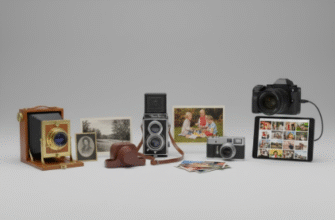
There’s a certain magic in holding an old photograph, isn’t there? Not clicking on a file, but actually feeling the slightly stiff paper between your fingers, maybe noticing the faded colours or the crinkled corner. And when those photographs live together in an album, that magic multiplies. It becomes a portal, a tangible collection of moments that whisper stories of the past. In our rush towards digital everything, the humble photo album remains a powerful anchor to our personal histories and the memories we cherish most.
Long before cloud storage and social media feeds, families gathered around chunky albums with plastic-covered pages or elegant books with black paper corners holding precious prints. These weren’t just storage solutions; they were curated narratives. They represented effort, selection, and a desire to create a lasting record. Flipping through those pages is an experience – the slight scent of old paper, the shared laughter or quiet reflection sparked by an image, the physical act of turning a page to reveal the next chapter of a life lived.
The Enduring Appeal of the Physical
Why bother with physical albums when thousands of photos can live on a device in your pocket? The answer lies in the experience and the permanence. Digital files are convenient, yes, but they are also intangible and surprisingly fragile. Hard drives fail, cloud services change policies or disappear, file formats become obsolete. How many photos from ten years ago are readily accessible on your current devices without some digital digging, if they exist at all?
A well-made photo album, however, endures. It doesn’t need software updates or batteries. It sits on a shelf, a coffee table, or tucked away in a box, waiting patiently. Sharing it is an intimate act. You sit side-by-side, pointing, explaining, reminiscing. It fosters connection in a way scrolling through a phone screen rarely does. The sensory engagement – sight, touch, even smell – deepens the connection to the memories contained within.
Furthermore, the act of creating an album forces a level of curation often missing in the digital realm. We snap hundreds of photos at an event, but selecting the best ones, the ones that truly tell the story, for inclusion in an album gives them greater significance. It’s an intentional act of memory preservation.
From Simple Holders to Storybooks: Album Evolution
Photo albums have evolved significantly over the years. Early versions were often simple bound books with slots or adhesive corners to hold standard-sized prints. Then came the era of the magnetic or sticky-page album. While popular for their convenience, these often contained harmful acids that caused photos to yellow and degrade over time, a cautionary tale for preservationists.
Important Note on Older Albums: Be cautious with albums featuring sticky pages or plastic overlays from the 1970s-1990s. The adhesive and plastics used often contain PVC and acids that can severely damage photographs over time, causing discoloration and making removal difficult. If possible, carefully transfer precious photos from these albums to archival-quality alternatives.
Today, the options are vast and cater to different needs and aesthetics:
- Traditional Slip-In Albums: Simple, convenient pockets for standard print sizes. Good for quick organization, but often lack space for notes or embellishments. Ensure the plastic pockets are photo-safe (acid-free, lignin-free).
- Scrapbook Albums: These offer blank pages, usually made of archival-quality paper, providing complete creative freedom. Photos are attached using photo corners, photo-safe tape, or glue. This format is ideal for adding journaling, memorabilia, and decorations.
- Lay-Flat Albums: Often produced through online services, these feature seamless spreads where photos can stretch across the gutter without interruption. They offer a professional, modern look, excellent for wedding or travel albums.
- Binder Albums: Offer flexibility as pages can be easily added, removed, or rearranged. Ensure the pages and any protective sleeves used are archival quality.
The Art of Curation and Storytelling
Creating a photo album is more than just stuffing pictures into slots. It’s an opportunity to become a historian of your own life or family. Think about the story you want to tell. Will it be chronological, documenting a specific period or event? Or perhaps thematic, focusing on holidays, specific people, or hobbies?
Selection is Key: Don’t feel obligated to include every single photo. Choose the images that evoke emotion, capture key moments, or simply bring a smile to your face. Quality over quantity often makes for a more engaging album.
Adding Context: A picture might be worth a thousand words, but a few well-chosen words can provide invaluable context. Use acid-free pens or journaling cards to jot down names, dates, locations, or a brief anecdote related to the photo. Future generations (and your future self!) will thank you. This transforms the album from a simple collection into a rich narrative.
Embracing the Scrapbook Approach
Scrapbooking takes the photo album concept a step further, turning it into a multi-dimensional memory-keeping craft. It’s about preserving the story *around* the photograph.
Journaling: Writing down thoughts, feelings, quotes, or detailed accounts associated with the photos adds depth and personality. It captures the ‘why’ behind the picture.
Memorabilia: Tickets, postcards, letters, children’s drawings, fabric swatches – incorporating these flat items alongside photos adds texture and authenticity. Imagine including a concert ticket next to photos of the show, or a snippet of lace from a wedding dress.
Embellishments: Stickers, die-cuts, ribbons, stamps, and patterned papers can be used to enhance the theme and visual appeal of a page layout. The key is to ensure these materials are also archival quality (acid-free, lignin-free) so they don’t damage the photos over time. Balance is important; the goal is to enhance the photos, not overwhelm them.
Preserving Your Precious Prints
Whether you’re creating a simple album or an elaborate scrapbook, preservation should be a priority. You’re investing time and emotion into this project; you want it to last.
Choose Archival Quality Materials: This is the golden rule. Look for labels like “acid-free,” “lignin-free,” and “photo-safe” on albums, papers, adhesives, pens, and protective sleeves. Acid and lignin are chemicals found in many paper products that break down over time, releasing acids that cause yellowing, brittleness, and fading in photographs.
Adhesive Awareness: Use adhesives specifically designed for photographs. Archival photo corners, double-sided photo tape, or acid-free glue sticks are good choices. Avoid standard office tape or craft glues, which can damage photos and lose their hold over time.
Handle with Care: Handle photos by their edges to avoid getting fingerprints on the emulsion. Oils and dirt from hands can cause damage over the long term. Consider wearing cotton gloves for extra protection when working with very old or valuable photos.
Storage Matters: Store your completed albums in a cool, dark, dry place. Attics and basements are often poor choices due to temperature and humidity fluctuations. Avoid direct sunlight, which causes fading. Storing albums upright, like books on a shelf, is generally better than stacking them flat, which can put pressure on the contents.
Bridging Generations, One Page at a Time
Photo albums are powerful tools for intergenerational connection. Sharing an album with children or grandchildren opens up conversations about family history, traditions, and the lives of those who came before. It makes history personal and relatable.
Seeing photos of parents as children, grandparents as young adults, or long-lost relatives provides a tangible link to the past. The stories shared while looking through the album become part of the family lore, passed down alongside the images themselves. It’s a shared experience that strengthens family bonds and fosters a sense of identity and belonging.
In conclusion, while digital technology offers convenience, the physical photo album holds a unique and irreplaceable value. It’s a curated collection, a historical document, a creative outlet, and a vessel for precious memories. Taking the time to print photos, select the best ones, and arrange them thoughtfully in an album is an investment in preserving your personal story for yourself and for generations to come. It’s a deliberate act of remembering, celebrating, and sharing the moments that make up a life. Don’t let your most cherished memories languish unseen on a hard drive; give them a physical home where they can be truly appreciated.
“`