Few breakfast foods evoke such universal comfort and delight as pancakes and waffles. Whether it’s a towering stack of fluffy pancakes drenched in syrup or a crisp, golden waffle cradling butter and fruit, these batter-based creations are morning staples across the globe. But their history is far longer and more fascinating than just flipping flapjacks on a Saturday morning. Their journey takes us back thousands of years, revealing a story of ingenuity, cultural exchange, and the simple human need for satisfying, grain-based nourishment.
The Ancient Ancestors of the Pancake
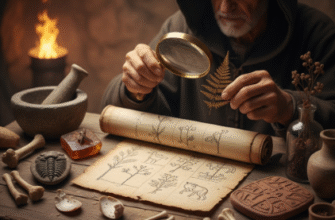
The humble pancake, in its most basic form, is arguably one of the oldest prepared foods. Think about it: flour or ground grain mixed with liquid and cooked on a hot surface. This simplicity meant that early humans likely stumbled upon variations long before recorded history. Archaeological discoveries offer tantalizing clues. Evidence suggests that Neolithic cooks were already grinding cattails and ferns into flour to make simple flatbreads on heated rocks around 30,000 years ago.
More concrete evidence comes from Ötzi the Iceman, the remarkably preserved mummy found in the Alps dating back over 5,300 years. Analysis of his stomach contents revealed remnants of einkorn wheat bran, possibly consumed in the form of a cracker or pancake-like bread cooked over embers. While not a syrup-drenched stack, it points to the fundamental concept being ancient.
Archaeological evidence suggests humans have been making pancake-like foods for millennia. Residue found in the stomach of Ötzi the Iceman, a mummy dating back over 5,000 years, contained ground einkorn wheat mixed with other ingredients and likely cooked over an open fire. This points to the ancient origins of cooking simple grain batters on hot surfaces. It’s a basic form of sustenance that predates many complex culinary techniques.
Fast forward to the Ancient Greeks and Romans, and we find more recognizable precursors. The Greeks had ‘teganites’ or ‘tagenias’, derived from the word for ‘frying pan’. These were made from wheat flour, olive oil, honey, and curdled milk, cooked in a pan and often served for breakfast. The Romans enjoyed ‘Alita Dolcia’ (another sweet) – mixtures of milk, flour, eggs, and spices, sometimes with fruit or nuts, fried and served with honey or a fish sauce called garum. These early versions were denser and simpler than modern pancakes but clearly established the core idea.
Pancakes Through Medieval Times and the Renaissance
As Europe moved into the Middle Ages, pancakes continued their evolution, often tied to religious observance. The most famous connection is Shrove Tuesday, or ‘Pancake Day’, the day before Ash Wednesday marks the start of Lent. Traditionally, Lent was a period of fasting, requiring abstention from rich foods like eggs, milk, and fat. Pancakes became the perfect way to use up these ingredients before the fast began. This tradition solidified the pancake’s place in European culture, particularly in Britain.
During this period, variations flourished across the continent. The French developed thin, delicate ‘crepes’, often made with buckwheat flour initially (galettes) before wheat became more common. In Eastern Europe, ‘blini’ emerged – typically yeasted pancakes made from buckwheat flour, associated with religious festivals and eaten with savory or sweet toppings. German ‘pfannkuchen’ were generally thicker than crepes but thinner than American pancakes. Ingredients gradually became richer, with spices like nutmeg, cinnamon, and mace finding their way into recipes, alongside sugar becoming more accessible, shifting pancakes firmly towards the sweeter end of the spectrum for many.
Leavening the Stack
Early pancakes relied on beaten eggs or yeast (like blini) for any lift they might have had. They were often quite flat and dense compared to what many envision today. The true transformation towards the light, fluffy pancake, particularly the American style, came much later with the advent of chemical leavening agents. While pearl ash (potassium carbonate) was used in the late 18th century, it was the development and popularization of baking soda (sodium bicarbonate) in the 1840s and baking powder (baking soda combined with an acid salt) in the 1860s that revolutionized home baking, including pancakes. These ingredients reacted with moisture and heat to create carbon dioxide bubbles within the batter, resulting in the airy texture we now expect.
Pancakes Arrive and Adapt in the Americas
European settlers naturally brought their pancake traditions to the New World. Early colonists made versions based on English, Dutch (‘pannekoeken’), and French recipes, adapting them to available ingredients. Wheat flour wasn’t always plentiful initially, leading to the incorporation of native grains.
Cornmeal became a crucial ingredient, giving rise to distinctively American forms like:
- Johnnycakes (or Journey Cakes): Simple cornmeal flatbreads, cooked on griddles or even hoe blades held over a fire. Their exact origin is debated, but they were a staple, especially in New England.
- Hoe Cakes: Similar to johnnycakes, supposedly named for being cooked on the blade of a hoe, though this might be folklore.
Buckwheat flour was also popular, especially in areas with cooler climates where it grew well. As mentioned earlier, the introduction of baking soda and baking powder in the 19th century was the game-changer, allowing American cooks to create the taller, fluffier ‘griddlecakes’ or ‘flapjacks’ that became synonymous with American breakfast culture.
Waffles: A Crispier History
Waffles share ancient roots with pancakes but diverged down a path defined by a specific cooking tool: the waffle iron. Like pancakes, the idea of cooking batter between two hot metal plates goes way back. Ancient Greeks cooked ‘obelios’, simple flat cakes, between hinged metal plates heated over a fire. These weren’t waffles as we know them, lacking the distinctive grid pattern, but they established the cooking method.
The true waffle began to take shape in the Middle Ages, particularly in the Low Countries (Belgium, Netherlands) and France around the 13th century. This is when the hinged irons started incorporating patterns. Initially, these patterns were often coats of arms, religious symbols (like the crucifixion or IHS monogram), or landscape scenes. These early waffle irons, known as ‘moule à gaufres’ in French, required skill to use over an open fire. The waffles themselves, often called ‘gaufres’, were sold by street vendors known as ‘waferers’. There was a close connection between these early waffles and communion wafers (‘oublies’), often made by the same craftspeople or even in monasteries.
Getting the Grid
The characteristic honeycomb or grid pattern that defines modern waffles seems to have become more common around the 15th century. Why the grid? Practicality likely played a role – it increased the surface area for crisping and created convenient pockets to hold toppings like butter, syrup, or fruit. These early European waffles were often made with yeast or beaten egg whites for leavening and could be quite rich.
Waffles Cross the Atlantic and Get Electrified
The Dutch are often credited with popularizing waffles and bringing them to America (then New Amsterdam) in the early 17th century under the name ‘wafels’. These early American versions would still have been cooked in long-handled irons held over a fire.
A notable boost came from Thomas Jefferson. After spending time as Minister to France, he returned to the US in 1789 with various European culinary delights, including a long-handled, patterned waffle iron, sparking interest among the American elite. Throughout the 19th century, cast iron stovetop waffle irons became increasingly common in American kitchens. A significant milestone was Cornelius Swartwout’s US patent for an “improvement in waffle-irons” in 1869, featuring a hinged design intended for stovetop use, often commemorated on August 24th as National Waffle Day.
The biggest leap in convenience arrived with electricity. General Electric introduced an early electric waffle iron prototype around 1911, with commercially viable models becoming available shortly after. This made waffle-making significantly easier and safer, moving it from a somewhat laborious process over a hot stove to a countertop convenience, cementing its place in the modern kitchen.
The 20th Century: Convenience and Commercialization
The late 19th and 20th centuries dramatically changed how people consumed pancakes and waffles. The rise of pre-made mixes offered unprecedented convenience.
Key Developments:
- Aunt Jemima: Introduced in 1889, this was the first ready-mix pancake flour. Its branding, based on minstrel show stereotypes, was deeply problematic and underwent significant changes in the 21st century, eventually being renamed Pearl Milling Company. However, its commercial success paved the way for countless other mixes.
- Bisquick: Launched by General Mills in the 1930s, Bisquick offered an “all-purpose” baking mix suitable for biscuits, pancakes, waffles, and more, further simplifying home baking.
- Restaurant Chains: The mid-20th century saw the birth of iconic breakfast chains specializing in these staples. The International House of Pancakes (IHOP) opened in 1958, and Waffle House fired up its first grill in 1955. These establishments made pancakes and waffles accessible outside the home, shaping the American breakfast dining experience.
- The Belgian Waffle Boom: While deep-pocketed, yeasted waffles existed in Belgium for centuries, the “Belgian Waffle” known in America truly took off after the 1964 New York World’s Fair. Maurice Vermersch sold his wife’s recipe for fluffy, yeast-leavened waffles served with strawberries and whipped cream, creating a sensation that endures today.
Global Griddles: Modern Pancakes and Waffles
Today, pancakes and waffles are global phenomena, interpreted through countless cultural lenses. Beyond the American buttermilk pancake and the Belgian waffle, consider:
- Japanese Soufflé Pancakes: Impossibly light and airy, cooked slowly in ring molds.
- Korean Kimchi Pancakes (Kimchijeon): Savory pancakes packed with fermented cabbage.
- Indian Uttapam: Savory pancakes made from fermented rice and lentil batter, often topped with onions and vegetables.
- Dutch Baby Pancakes: Baked in a cast-iron skillet, puffing up dramatically in the oven.
- Vietnamese Bánh Xèo: Crispy crepes made with rice flour, turmeric, and coconut milk, filled with pork, shrimp, and bean sprouts.
Waffles, too, see variations like Hong Kong egg waffles (gai daan jai) with their unique bubble shape, and savory cheese or herb-infused waffles appearing on brunch menus.
Flipping to a Conclusion
From prehistoric flatbreads cooked on hot stones to the intricate patterns of medieval waffle irons and the modern convenience of electric appliances and ready-made mixes, the history of pancakes and waffles is a testament to culinary evolution. These seemingly simple foods have journeyed through millennia, adapting to local ingredients, cultural practices, and technological advancements. They have been peasant food and elite treats, sacred offerings and everyday comforts. Whether you prefer a fluffy stack or a crispy grid, the next time you sit down to enjoy them, remember the long and delicious history flipped into every bite.