That familiar, irresistible aroma – buttery, salty, slightly toasty – often signals fun, movies, or cozy nights in. Popcorn. It feels like such a modern treat, inextricably linked with entertainment. Yet, this simple snack boasts a history far older and richer than most people imagine. Long before movie projectors flickered or microwaves hummed, kernels were exploding over ancient fires, delighting and nourishing people for millennia. It’s a snack with a past as explosive as its preparation.
Echoes from Ancient Hearths
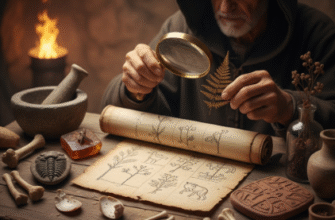
Forget your local multiplex; the story of popcorn begins thousands of years ago. Archaeological evidence paints a fascinating picture. Some of the oldest known popcorn ears were unearthed in Bat Cave, New Mexico, dating back an astonishing 5,600 years. Further south, in Peru, kernels estimated to be up to 6,700 years old have been discovered, showcasing intricate popping techniques even then. These weren’t just stray kernels accidentally finding fire; evidence suggests intentional cultivation and popping. Imagine ancient people, huddled around a fire, witnessing the same magical transformation we see today – a hard, unassuming kernel bursting into a fluffy white delight.
Verified Ancient Snack: Archaeological discoveries provide concrete proof of popcorn’s long history. Kernels found in Bat Cave, New Mexico, are carbon-dated to be over 5,000 years old. Finds in Peru push this date back even further, confirming that humans have been popping corn for millennia, long before recorded history began in many parts of the world.
It wasn’t just a snack, either. For many indigenous cultures across the Americas, popcorn held significant cultural and even spiritual value. The Aztecs, for example, used popped corn extensively. Historical accounts describe them using popcorn not only for eating but also for decorating clothing, creating elaborate garlands for statues of their gods (like Tlaloc, the god of rain and fertility), and incorporating it into ceremonial rituals. The very act of popping, the dramatic transformation, likely held symbolic meaning.
More Than Just Food: Indigenous Ingenuity
Different Native American tribes developed various methods for popping corn. Some would toss kernels directly into embers, while others created specialized clay or metal containers designed to heat the kernels evenly. There’s evidence of wire baskets being used over open flames, much like modern campfire poppers. They understood the specific type of corn needed – not the sweet corn or field corn common today, but a variety with a hard, moisture-sealed hull capable of trapping steam.
Understanding the Pop
What makes popcorn pop? It’s a beautiful piece of natural engineering. Each kernel contains a tiny droplet of water surrounded by a hard shell (the pericarp) and soft starch. When heated, typically around 180°C (356°F), this internal water turns into steam. Pressure builds dramatically inside the tough hull. Eventually, the hull ruptures, the soft starch inside inflates and rapidly cools, turning inside out into the familiar fluffy shape we love. It’s a miniature explosion, driven by physics and the unique structure of the popcorn kernel.
From the New World to the Global Stage
When European explorers and settlers arrived in the Americas, they encountered this intriguing popped grain. Christopher Columbus reportedly observed natives in the West Indies wearing popcorn necklaces. Accounts from Hernán Cortés describe the Aztecs using it in their ceremonies. While initially perhaps a novelty, popcorn gradually spread through colonial North America. By the mid-19th century, it was gaining popularity as a snack food, especially in the eastern United States. It was cheap, relatively easy to prepare, and undeniably fun.
However, preparing it consistently remained a challenge. Early methods involved popping over open fires or on stovetops, often leading to uneven heating, burnt kernels, or messy kitchens. The real game-changer arrived in the late 19th century.
The Age of Invention and Street Food
Enter Charles Cretors. In the 1890s, this Chicago candy store owner wasn’t satisfied with the inconsistent popcorn makers of the day. He designed and patented the first large-scale, commercial steam-powered popcorn maker. His invention was revolutionary. It popped corn evenly in its own seasonings (initially lard or butter and salt), kept it warm, and, crucially, was mobile. Cretors put his invention on a horse-drawn wagon, creating the first popcorn street vendors.
The Cretors Impact: Charles Cretors’ invention wasn’t just about better popcorn; it fundamentally changed accessibility. His mobile steam-powered popper brought fresh, hot, perfectly seasoned popcorn directly to the public at fairs, parks, and outside entertainment venues. This significantly boosted popcorn’s popularity and cemented its status as a go-to snack outside the home.
These wagons became ubiquitous sights, filling the air with that tempting aroma. Popcorn became the affordable snack of choice at circuses, sporting events, and public gatherings. Its association with entertainment was beginning to solidify.
Popcorn Goes to the Movies
The rise of motion pictures presented a golden opportunity. Initially, movie theater owners resisted selling snacks, aiming for a high-brow atmosphere reminiscent of traditional theaters. They worried about noise and mess. However, street vendors, often capitalizing on the crowds leaving the shows, parked their Cretors wagons right outside.
The Great Depression changed everything. Theaters were struggling, and they needed new revenue streams. Popcorn was incredibly cheap to produce (a 10-cent bag cost mere pennies to make) and immensely popular. Savvy theater owners realized they were missing out. They began installing their own popcorn machines in lobbies, and the profits soared. During World War II, sugar rations made candy scarce and expensive, further boosting popcorn’s dominance as the go-to movie treat. The connection became inseparable.
The Television Threat and Microwave Magic
The advent of television in the 1950s posed a threat. As people stayed home for entertainment, movie attendance dipped, and so did popcorn sales. For a while, popcorn consumption decreased. But technology came to the rescue once again. The development of microwave ovens for home use in the late 1970s and early 1980s sparked a massive resurgence. Companies perfected microwave popcorn bags, offering near-instant gratification and bringing that movie-theater experience into living rooms across the globe.
A Snack for All Times
Today, popcorn remains as popular as ever. It’s transcended its humble origins and its movie theater stereotype. Gourmet popcorn shops offer an endless array of flavors, from classic butter and salt to caramel, cheese, spicy jalapeño, and even sweet combinations like chocolate drizzle. It’s recognized as a whole-grain food, and when air-popped and lightly seasoned, it’s a relatively healthy, high-fiber snack.
- Versatility: Can be sweet, savory, spicy, or plain.
- Affordability: Still one of the most cost-effective snacks available.
- Whole Grain: Offers fiber and some nutrients, especially when prepared simply.
- Entertainment Value: The popping process itself is inherently fun!
From ancient rituals and indigenous sustenance to street food sensation, movie staple, and modern microwave convenience, popcorn’s journey is remarkable. It’s a food that has consistently adapted, entertained, and satisfied across cultures and centuries. So, the next time you grab a handful of that light, airy treat, remember you’re not just eating a snack – you’re partaking in thousands of years of delicious history.